
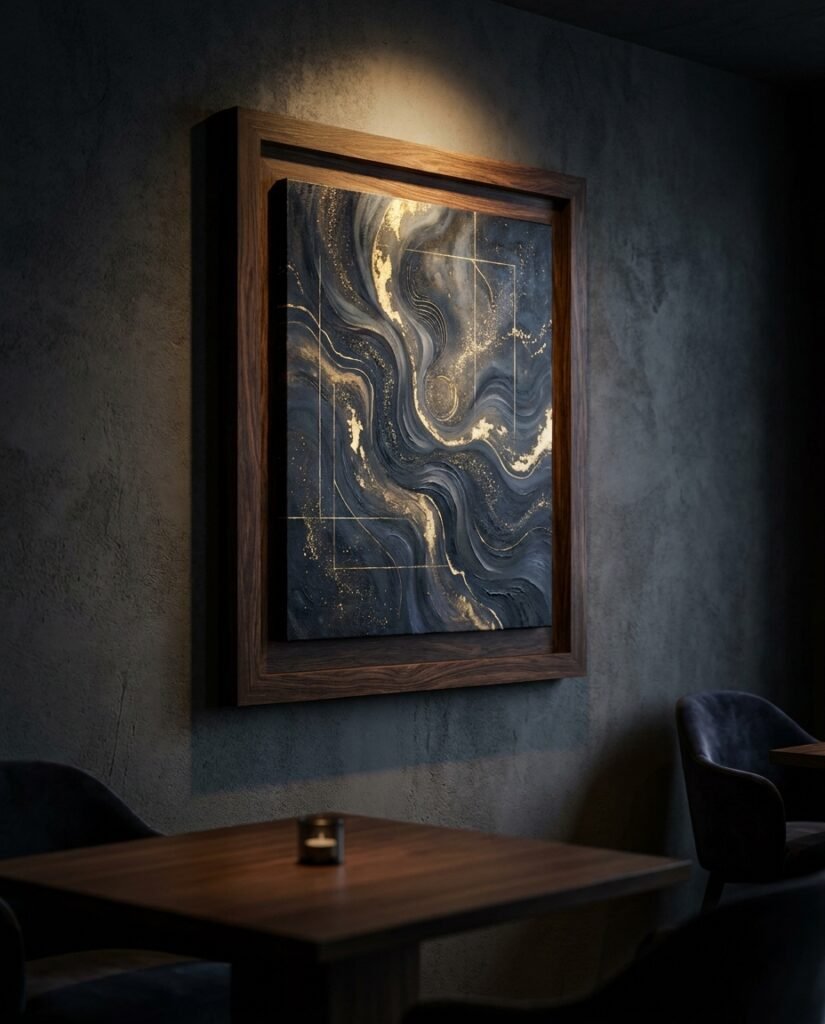
The Anatomy of a $500 Dinner
Let’s be clear. No one pays five hundred dollars for a plate of food. They pay for a story. They pay for a feeling. They pay for an experience so meticulously engineered that it borders on performance art.
The culinary world’s elite understands this better than anyone. A Michelin star isn’t awarded for a perfect sauce; it’s awarded for a perfect evening. And in that calculus, the visual environment—the silent partner in every service—is doing half the work.
Most restaurateurs miss this. They obsess over the protein, the wine pairing, the service choreography, and then delegate the walls to a local artist or, worse, a catalog of generic prints. They treat the space as a container for the meal. This is a profound, and expensive, misunderstanding. The right restaurant wall art is not background noise; it is the opening argument for your price point.
Beyond Decoration: The Strategy of Upscale Restaurant Art
Ambiance isn’t a soft metric. It’s a silent, persuasive force that dictates perception. It’s the difference between a customer glancing at the prices on the right and a guest immersing themselves in the narrative on the left. The art on your walls is the first handshake with your client’s expectations.
Does it communicate precision? Does it suggest a deep investment in quality? Or does it signal a corner cut, a detail overlooked?
The average diner may not be an art critic, but they are an expert in sensing congruence. When the visual language of the room aligns with the ambition of the kitchen, it creates a seamless current of perceived value. A generic, mass-produced canvas whispers “we saved money here.” A deliberate, powerful piece of art states, unequivocally, “we spare no expense.” This is the foundational principle of Michelin star decor.
The Visual Palate: Priming for Perception
Before a single amuse-bouche arrives, your guests have been consuming the space for ten, perhaps fifteen minutes. Their eyes have scanned the walls, absorbed the textures, and formed a subconscious verdict on the level of quality they are about to receive. This is the “visual palate.”
If the art is uninspired, their palate is dulled. They are mentally prepared for a transaction. But if the art is compelling, complex, and commands presence, their palate is awakened. They are prepared for an experience. This is the defining shift from a restaurant to a destination.
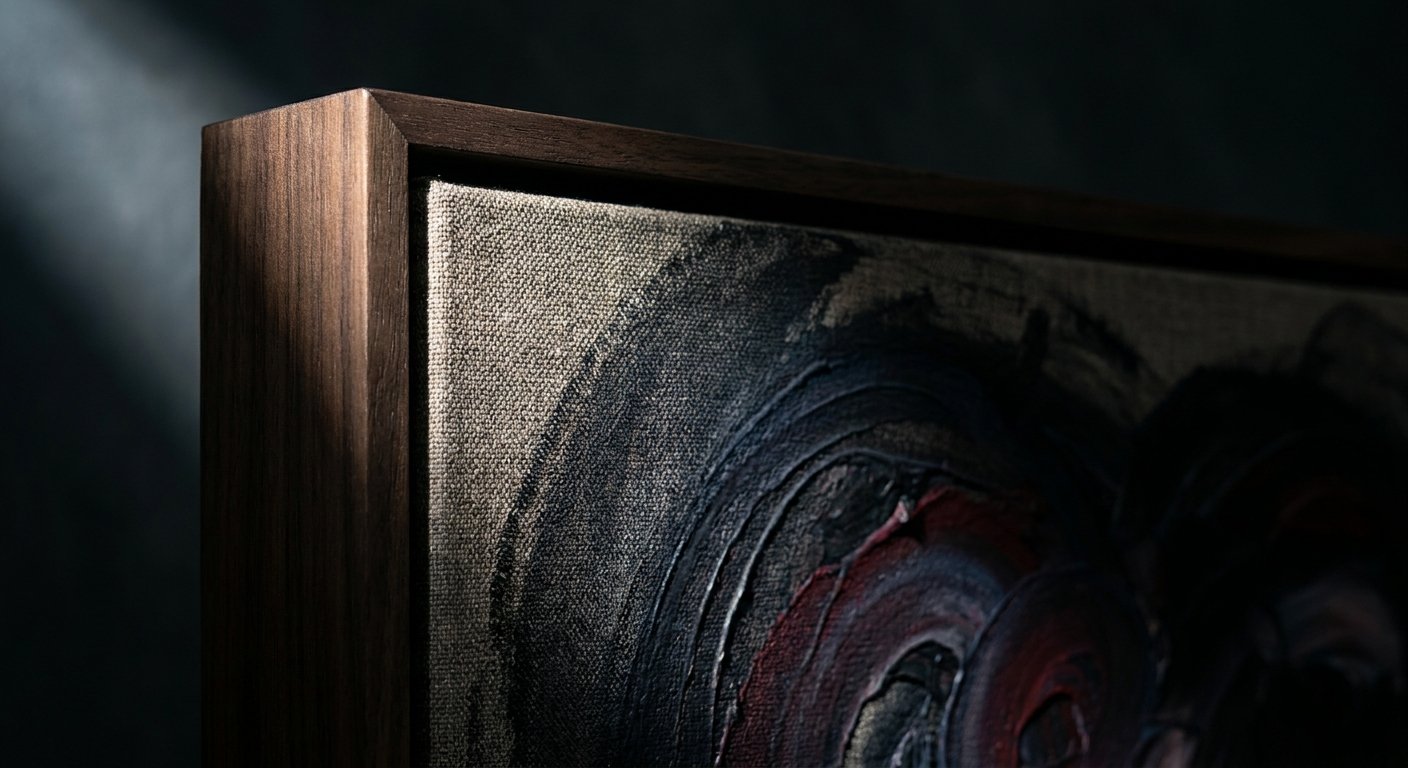
Consider the details that define luxury in other domains: the weighted feel of a Swiss watch, the solid thud of a German car door. These are sensory cues of uncompromising quality. The art in your establishment must function in the same way. It must have texture, depth, and a physical presence that a digital screen or a cheap print simply cannot replicate. A substantial, textured Framed Canvas, for instance, communicates a commitment to the tangible, to the real, in a way that resonates with the craft happening in the kitchen.
Stop decorating your restaurant. Start positioning it. The art on your walls isn’t an aesthetic choice; it’s a financial strategy that begins the moment a guest walks through the door.
The Wolf Stack Doctrine: Intentional Alignment in Fine Dining Interior Design
The problem is not a lack of options, but a lack of intention. The market is flooded with visual noise. To cut through it, you need a deliberate choice, not just a selection.
This is why we built Wolf Stack. We don’t sell decoration. We provide foundational assets for brands and spaces that refuse to be ignored. Our work, powered by Gemini AI, is born from an obsession with precision and narrative. Each piece is engineered to create a specific emotional resonance, to build a story that supports and amplifies the one you are telling on the plate.
This is the new standard for ambiance art. It’s not about finding something that “matches the chairs.” It’s about commissioning a visual thesis statement for your entire brand.
- Narrative Control: Your menu is precise. Your service is precise. Your visual language must be equally precise. AI-generated art allows for an unprecedented level of control over color, theme, and complexity, ensuring it aligns perfectly with your culinary vision.
- Exclusivity as a Standard: In the world of fine dining, ubiquity is death. The art in your space should be as unique as your signature dish. A piece from Wolf Stack Shop isn’t something a guest will see elsewhere; it becomes part of your location’s identity.
- Investment in Perception: High-end art signals to a high-end clientele that they are in the right place. It validates their decision to choose you and justifies the premium they are prepared to pay. It transforms an expense line into a revenue-generating asset.
The conversation around fine dining interior design is changing. It’s moving from aesthetics to psychology, from color palettes to cognitive triggers. The restaurateurs who lead the next decade will be those who understand that every square inch of their space is a communication tool. They will wield it with intent, and they will be rewarded for it on every single check.
The question is no longer whether you can afford to invest in defining art. The question is whether you can afford not to.
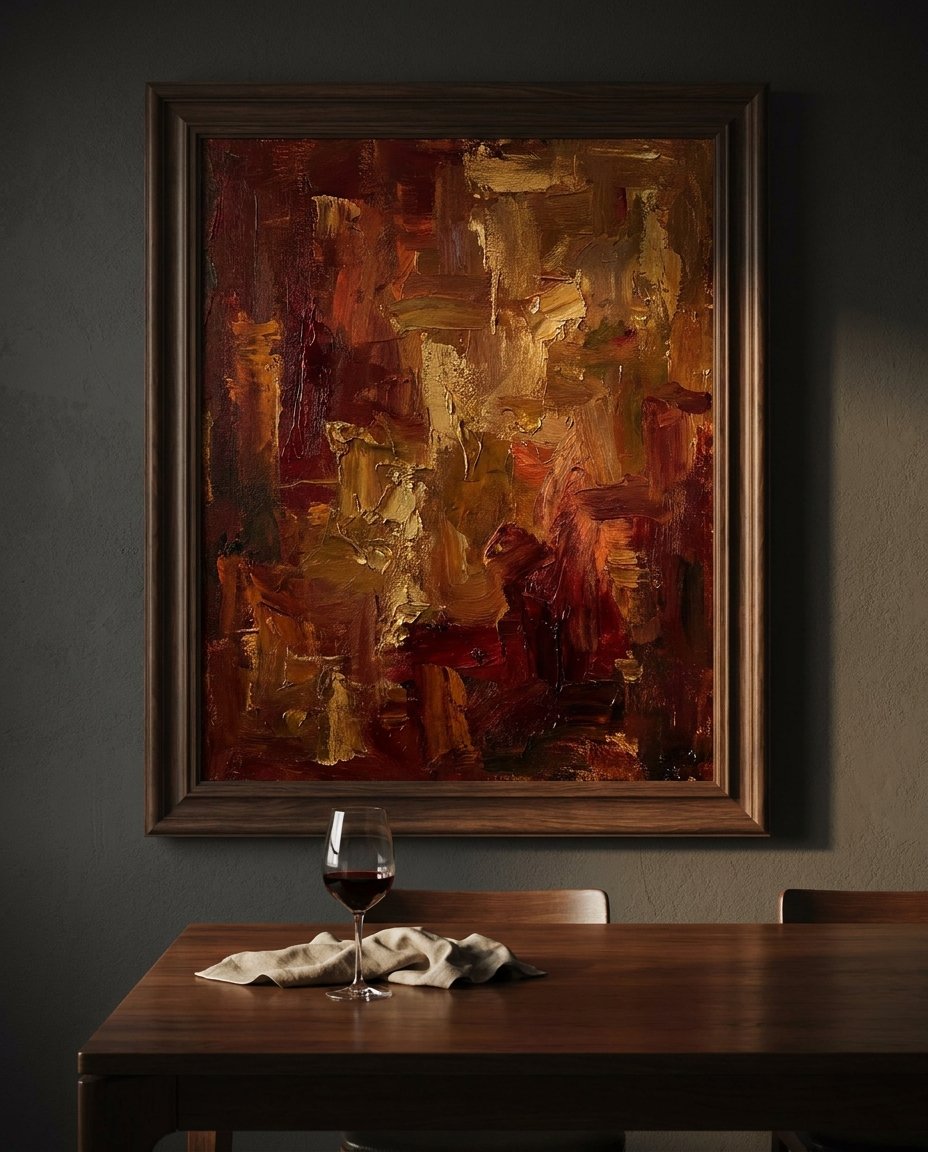
Define Your Space. Define Your Value.
An empty wall is a missed opportunity. A wall with the wrong art is a liability. It’s time to make a deliberate choice. Explore the collection and discover the piece that will redefine your guest experience from the very first glance.